|
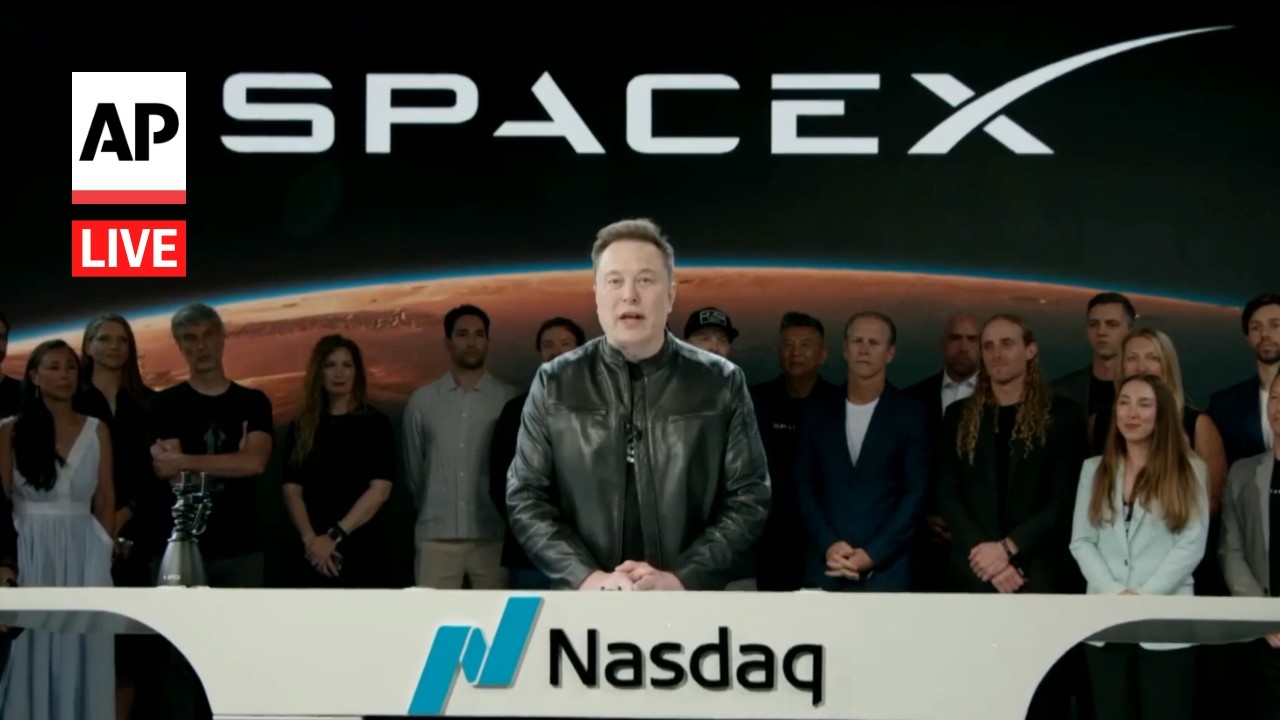
SpaceX is officially on the stock market 🛸
|
|
ok but why does a rocket company matter for AI? 🚀
|
|
|
SpaceX rings Nasdaq opening bell as company goes public in blockbuster IPO
youtu.be
|
|
Which AI company will you buy shares in?
|
🤔 so what does this actually mean for the AI industry?
|
|

|
SpaceX wildcard will be people who've never bought stocks before: Cramer
youtu.be
|
|
|
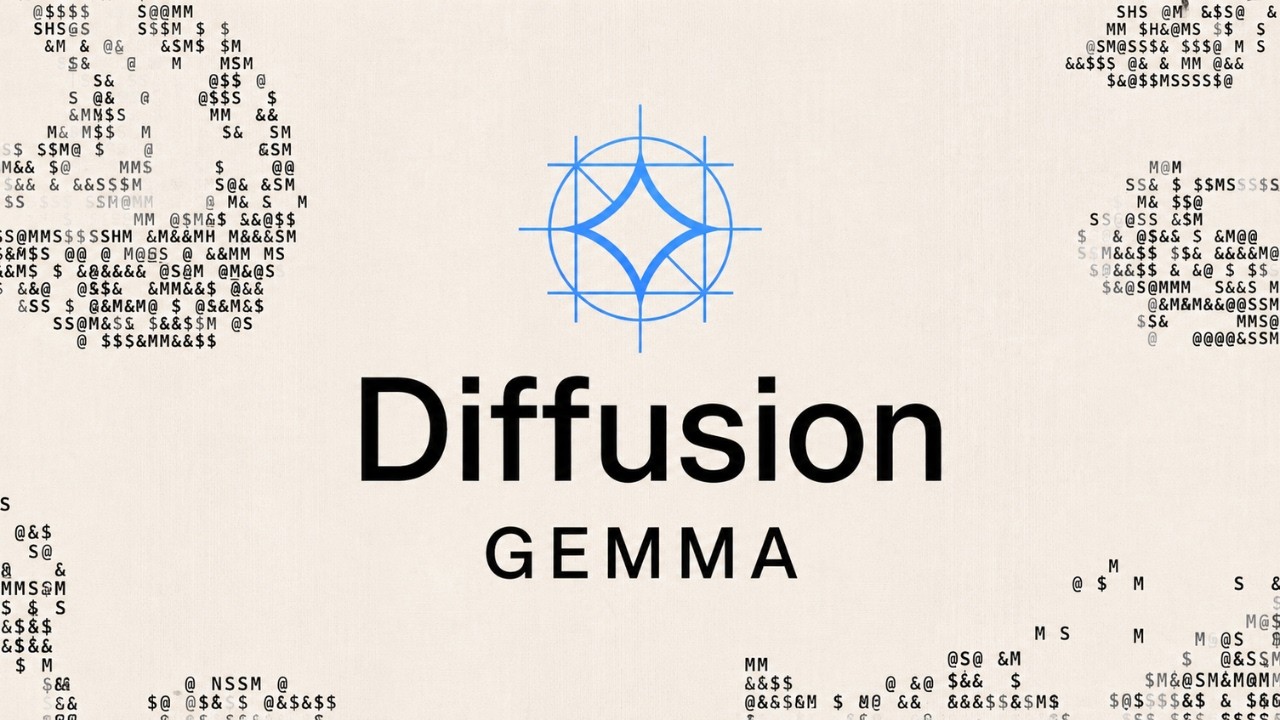
Google built an AI that writes like an image generator ✏️
|
|
how is that different from a normal chatbot?
|
|
|
Diffusion Gemma: Google's First Open Diffusion Model
youtu.be
|
|
|
can normal people actually run this thing?
|
|
Surprisingly, yes. It's free and open, and a compressed version fits on a high end gaming graphics card, so hobbyists can run it at home. Google admits quality trails regular Gemma 4, so treat it as the speed demon for quick drafts, not your most important work.

|
Microsoft AI CEO unveils 7 new AI models | Mustafa Suleyman at Microsoft Build 2026
youtu.be
|
|
|
⏱️ weekly challenge: find out when fast AI beats smart AI
|
This week, figure out which of your daily AI tasks actually need the big slow brain, and which a fast model handles just fine.
| ⚡ Step 1: Pick three everyday tasks. Think rewriting an email, summarizing an article, and planning your week. |
|
| 🐇 Step 2: Run them on the fast setting. Use Gemini Flash, ChatGPT's Instant mode, or Claude on low effort, and note speed and quality. |
|
| 🐢 Step 3: Rerun them on the heavy setting. Same prompts with thinking mode or high effort on, then check whether the wait bought you anything. |
|
| 🗺️ Step 4: Draw your personal speed map. Decide which tasks get the fast lane from now on. Most never needed the slow brain at all. |
|
Would you put your savings behind an AI company? And is faster but dumber a trade you'd take? We'd love to hear your thoughts!


